
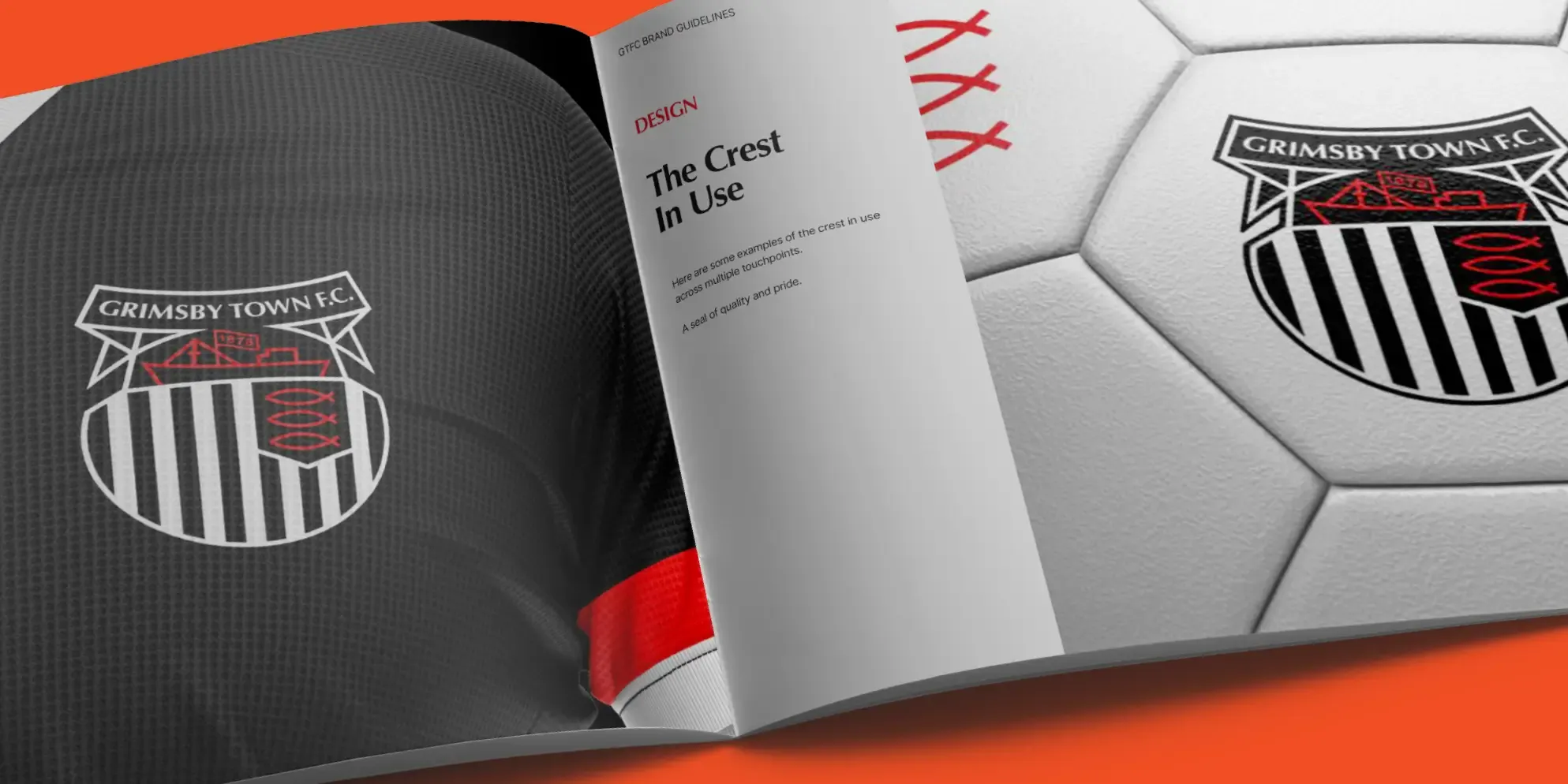
How often do you think about your brand?
When you set up a business, getting the logo and branding is one of the first things you do, and it has all your focus. Does it reflect the company and brand you aspire to be? How is it perceived in the market? How does it compare to your competitors?
But once done, it gets forgotten. Yet your brand is one of your most valuable assets – it’s how customers recognise you, trust you, and choose you over competitors.
This is where a brand audit helps you take stock of where you are now and spot opportunities to strengthen your business’s identity.
Don’t worry if you’re not a marketing or branding expert. This blog will take you through a straightforward process to evaluate your brand and make improvements that can genuinely impact your bottom line.
What is a brand audit?
Think of a brand audit as a health check for your business identity. Just as you might review your finances or inventory, a brand audit examines all the ways your business presents itself to the world. It’s about ensuring everything works together harmoniously and sends the right message to your customers.
You’re looking for two main things – consistency (do all your materials look and sound like they come from the same business?) and effectiveness (is your brand helping or hindering your business goals?).
Why businesses of all sizes need brand audits
Many people think branding is just about having a nice logo, but it’s much more than that. Your brand includes everything from your website and social media presence to how you answer the phone and package your products.
When these elements don’t align, customers get confused. They might question your professionalism or struggle to remember you. A consistent, well-thought-out brand builds trust and makes your business stand out, a crucial advantage when competing with larger companies.
So, how do you go about carrying out a brand audit? It can seem over-facing, especially when you have so many other demands on your time. So, we’ve broken it down into a series of simple steps.
Step 1: gather all your brand materials
Before you can audit your brand, you need to see everything in one place. Create a folder (physical or digital) and collect:
Visual elements:
- Your logo in all its variations
- Business cards, letterheads, and stationery
- Website screenshots (homepage and key pages)
- Social media profile images and cover photos
- Marketing materials (flyers, brochures, ads)
- Product packaging or labels
- Signage photos
- Email signatures
Written content:
- Your website copy
- Social media posts from the past few months
- Email newsletters
- Any taglines or slogans you use
- Customer service scripts or standard responses
Digital presence:
- Screenshots of your Google My Business listing
- Online reviews and how you’ve responded
- Any online directories where you’re listed
This might seem overwhelming, but you’ll likely discover materials you’d forgotten about – and that’s exactly why this exercise is valuable.
Step 2: evaluate visual consistency
Lay out all your visual materials and ask yourself these questions:
Logo usage:
- Do you use the same logo everywhere, or do you have multiple versions?
- Is your logo always clear and properly sized?
- Are the colours consistent across all materials?
Colours:
- Do you stick to a consistent colour palette?
- Are your colours working well together?
- Do they reflect the personality you want to convey?
Fonts:
- Are you using the same fonts across different materials?
- Do your fonts match your business personality (playful, professional, modern, traditional)?
- Are they easy to read?
- Are people ‘going rogue’ and creating materials with their own choice of font?
Photography and imagery:
- Do your photos have a consistent style?
- Are they of professional quality?
- Do they represent your brand personality?
Overall appearance:
- When you look at everything together, does it feel like it comes from the same business?
- What impression does your visual identity give?
Step 3: review your brand voice and messaging
Your brand voice is how you communicate – it should be consistent whether someone’s reading your website, social media posts, or receiving your emails.
Tone of voice:
- Are you formal or casual?
- Friendly or authoritative?
- Humorous or serious?
- Is this consistent across all your communications?
Key messages:
- What are you trying to tell customers about your business?
- Are these messages clear and consistent?
- Do they address what your customers actually care about?
Language:
- Do you use jargon that might confuse customers?
- Is there a simpler way you could communicate?
- Is your language appropriate for your target audience?
- Are you consistent in how you describe your products or services?
- If you took away your visual branding, is your language distinctive enough?
Step 4: assess your customer experience
Your brand isn’t just what you say about yourself – it’s what customers experience when they interact with your business.
First impressions:
- What’s the first thing customers see when they find you online or visit your physical premises?
- How easy is it to understand what you do?
- Does your branding make a good first impression?
Customer journey:
- Walk through the process of becoming your customer
- Are there any confusing or frustrating moments?
- Does your branding support customers at each stage?
Touchpoints:
- List every way customers interact with your business
- Is your branding consistent across all these touchpoints?
- Are there any gaps where your branding is missing or weak?
Step 5: identify gaps and inconsistencies
Now comes the detective work. Look for:
Visual inconsistencies:
- Different versions of your logo
- Varying colour schemes
- Mixed fonts
- Inconsistent image styles
Message confusion:
- Different ways of describing what you do
- Varying tones of voice
- Conflicting promises or values
Missing elements:
- Important touchpoints where your branding is absent
- Outdated materials that don’t reflect your current business
- Gaps in your online presence
Quality issues:
- Poor quality images or graphics
- Outdated design elements
- Materials that don’t reflect your business’s current level of professionalism
Step 6: create your action plan
Don’t try to fix everything at once. Prioritise based on impact and resources:
Quick wins (low cost, high impact):
- Update social media profiles with consistent imagery
- Standardise your email signature
- Ensure your Google My Business listing is complete and consistent
- Review and update your website’s key pages
- Correct inconsistencies of logos and colours on digital materials
Medium-term improvements:
- Redesign key marketing materials
- Update your website design
- Develop a consistent photography style
- Create templates for social media posts
- Update copy tone of voice if required
Long-term projects:
- Complete logo redesign if needed
- Comprehensive website overhaul
- Professional photography session
- Rebrand packaging or signage
Practical tips for implementation
Start with guidelines
Create a simple brand guidelines document, even if it’s just one page. Include your logo, colours, fonts, and key messages. This will help you stay consistent as you make changes.
There are many free or low-cost tools that can help with this, including;
- Canva for creating consistent graphics
- Google Fonts for web-safe typography
- Coolors.co for colour palette creation
- Unsplash for stock photography (Do not take images directly from Google, as you do not have licensing permission to use)
Test changes
Before rolling out major changes, test them with a few trusted customers or colleagues. Their feedback can save you from costly mistakes.
Document everything
Keep a record of what you change and why. This helps maintain consistency and makes future updates easier.
Regular check-ins
Schedule quarterly mini-audits to ensure you’re staying on track. Your business evolves, and your brand should too.
Common mistakes to avoid
We’ve been involved in branding for over 20 years, both with brands we’ve helped create for our clients and also working with brands already in existence, so we have seen some common mistakes made by businesses.
Trying to appeal to everyone
A brand that tries to be everything to everyone ends up meaning nothing to anyone. It’s better to have a clear identity that resonates strongly with your target customers. See our blog on ‘Creating customer personas’ for more information on this.
Copying competitors
While it’s good to be aware of what others are doing, your brand should reflect your unique value proposition. As part of your audit, you should have an understanding of what makes you different, and this should be what you focus on, rather than copying what competitors are doing, no matter how much you like it.
Changing too frequently
Consistency builds recognition. Avoid the temptation to tweak your brand elements constantly. There is a fine line between maintaining brand consistency and causing confusion through constant tweaks and changes.
Ignoring customer feedback
Your customers’ perceptions matter more than your intentions. If they’re confused by your messaging or put off by your visual identity, listen to them and make the necessary changes. Don’t be precious about your branding elements if they are not resonating with your target audiences and customers.
When to seek professional help
While much of a brand audit can be done yourself, you don’t need to do it alone. Using a professional design and branding agency, like Sourcefour, can help you achieve your vision (after all, it’s what we do day in and day out).
We are happy to get involved, whatever stage you are, but seeking specialist design support is especially important when;
- You are planning a rebrand
- You have reached the limits of your DIY/in-house capabilities
- You are launching a new product or entering a new market
- You are struggling to differentiate yourself from your competitors
- You need to achieve big goals, fast
Moving forward
A brand audit isn’t a one-time exercise – it’s an ongoing process. Your business will evolve, your market will change, and your brand should adapt accordingly. The key is to make changes thoughtfully and consistently.
Remember, you don’t need to be a design expert to have a strong brand. You just need to be intentional about how you present your business and ensure all your communications work together to build trust and recognition.
Start with one area – perhaps your social media presence or website – and gradually work through your brand elements. Small, consistent improvements will add up to a significant impact over time.
And, if you need to accelerate your progress, talk to the professionals who have experience with this type of project.
Your brand is an investment in your business’s future. By taking the time to audit and improve it, you’re setting your business up for stronger customer relationships, better recognition, and ultimately, more success.
Ready to take your brand to the next level? At Sourcefour, we help businesses develop strong, consistent brands that drive results. Get in touch to learn how we can support your brand journey.
